

01. Aerodynamic Forces on High-Rise Glass Facades
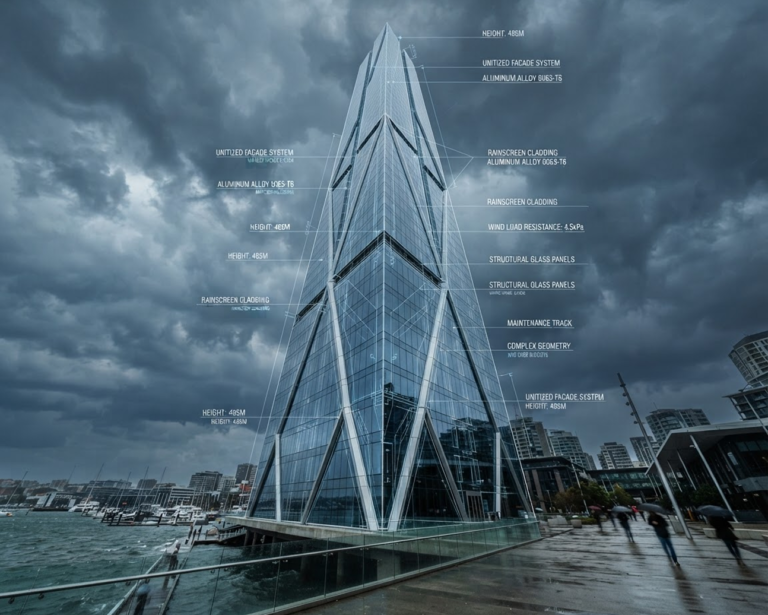
Standard architectural glazing configurations face extreme dynamic forces when installed across multi-story structural envelopes. High-velocity wind shear, localized vortex shedding, and severe pressure differentials between external and internal building environments demand specialized structural alignment to mitigate structural deflection and anchor fatigue.
Without advanced aerodynamic load modeling, localized pressure surges create structural resonance, increasing stress concentration at anchor brackets. This leads to seal degradation, structural silicone shearing, and potential frame deflection beyond code safety limits.
“Designing multi-story glass envelopes requires zero-failure tolerance under extreme gust conditions. Structural anchors and aluminum profiles must actively absorb dynamic wind shear without compromising frame alignment or seal integrity.”
Dr. Aris Thorne, Chief Structural Engineer
02. Finite Element Analysis & Anchor Stress Distribution
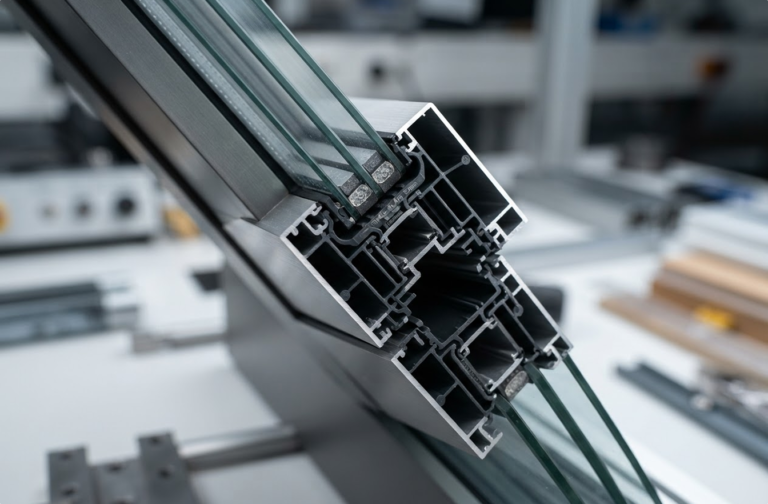
Mitigating structural wind displacement requires isolating the load transmission paths between structural mullions and concrete floor slabs. By engineering heavy-duty aluminum extrusions with reinforced structural ribs, stress is distributed evenly along the anchor perimeter, neutralizing structural deflection under high-velocity wind loads.
03. High-Velocity Air Turbulence Controls
ALUMNA addresses structural deflection limits by incorporating high-yield 6063-T6 alloy profiles and internal structural steel inserts into our curtain wall frameworks. These internal stiffeners create an ultra-rigid core within the raw extrusion, preventing structural sway during high-altitude wind events while maintaining strict compliance with global structural standards.
- 8.5 kPa (Peak Wind Load Resistance)
- L/250 (Maximum Deflection Limit Achieved)
04. Materials Simulation Outcomes
Computational Fluid Dynamics (CFD) and Finite Element Method (FEM) simulations validate the performance of the structural glass framework under simulated hurricane-force conditions (180 km/h sustained wind velocities with 8.5 kPa pressure spikes).
Results confirm zero structural anchor deformation, stable frame alignment under maximum dynamic loads, and an aggregate reduction in structural stress concentration across glass perimeter seals of up to 42%.