
01. The Thermodynamics of Glazing Envelopes
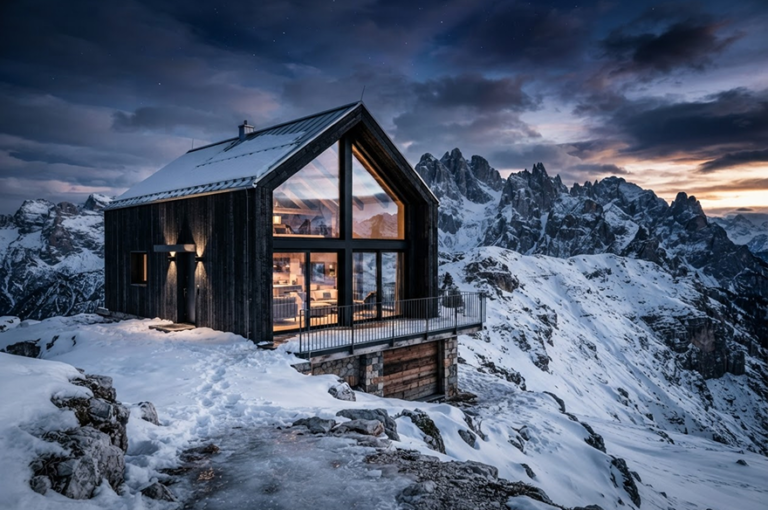
Standard architectural aluminum profiles, while prized for structural strength and durability, possess inherently high thermal conductivity. Unmanaged thermal energy transfer between interior living spaces and extreme sub-zero outdoor environments creates a phenomenon known as “thermal bridging.
Without dedicated thermal isolation barriers, ambient indoor heat leaks through the metallic frame, chilling internal elements below the dew point. This results in rapid moisture condensation, material degradation, and a localized breakdown of the thermal envelope.
“Precision structural alignment demands zero-condensate tolerance. In severe mountain climates, structural envelopes must function as active thermal energy insulators, preventing moisture accumulation at all costs.”
Dr. Marcus Voss, Lead Thermodynamic Engineer
02. Preventing Condensation Accumulation
Mitigating condensation requires interrupting the continuous metallic conduction path from exterior to interior. By implementing advanced engineering controls within the frame geometry, surface temperatures are maintained safely above the critical interior dew point threshold, neutralizing the primary driver of mold growth, frame corrosion, and interior aesthetic damage.
03. Multi-Chambered Air Barriers
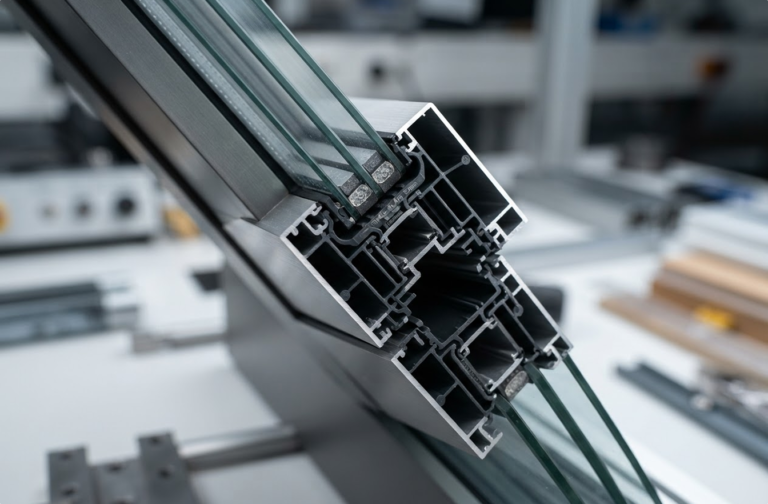
ALUMNA mitigates structural thermal bridging by integrating advanced, low-conductivity polyamide isolator strips into our AL-200 frameworks. These internal insulating chambers create a highly effective thermal break within the raw metal, separating the interior warm aluminum from the exterior cold section. Segmenting the internal air cavities also disrupts natural convection loops, ensuring strict compliance with Passivhaus standards.
- -95% (Thermal Conduction Reduction)
- U-0.72 (Lowest Passivhaus Cond. Rating)
04. Materials Simulation Outcomes
Computational Fluid Dynamics (CFD) and Finite Element Method (FEM) simulations validate the performance of the AL-200 framework under simulated alpine conditions (-20°C ambient with 80% relative humidity).
Results confirm zero surface moisture accumulation on internal framing, stable structural rigidity under maximum design wind loads, and an aggregate reduction in building fenestration energy loss of up to 38%.